

Cost of living guide for students in Brisbane
A guide to the cost of living in Brisbane, offering insights and tips to help you stretch your dollar further.

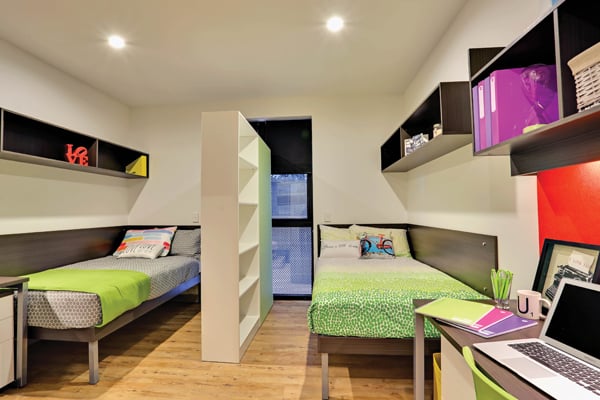
ROOMS FROM
A$339/WK
PER PERSON
Scape Melbourne Central
8 Person - 4 Bathroom

ROOMS FROM
A$289/WK
PER PERSON
Scape Tribune
8 Person - 4-5 Bathroom
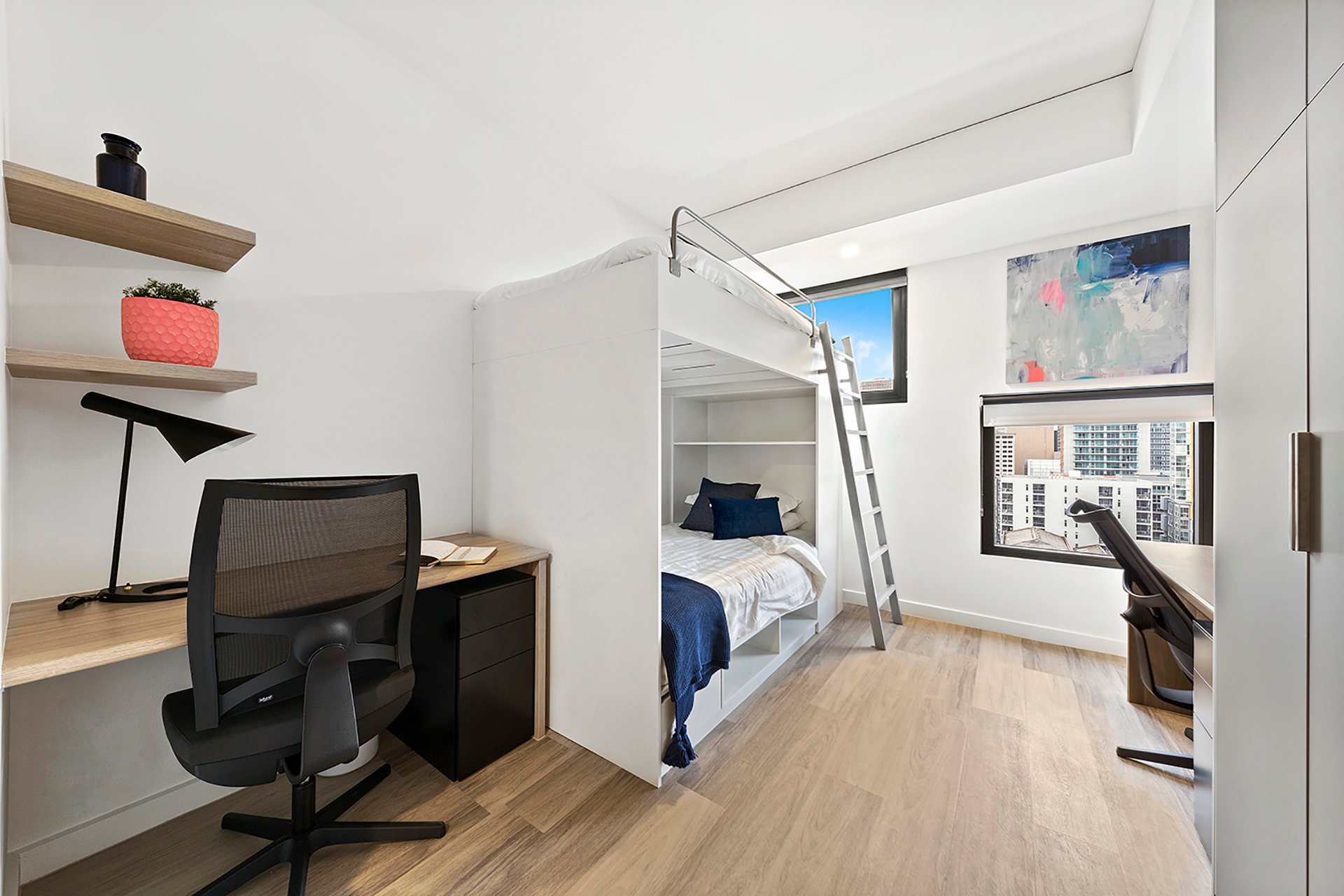
ROOMS FROM
A$289/WK
PER PERSON
Scape Waymouth
2 Person - 1 Bathroom

You’ve got an assignment due. Laptop open. Headphones on.
And then the question hits:
is this playlist about to help you focus… or fully derail your study session?
We’ve all been there.
The truth is, music can go either way. For some students, it’s the thing that makes studying feel calmer, easier, even a little bit enjoyable. For others, it turns one paragraph into a 30-minute distraction spiral.
So, does music actually help you study?
Yeah, it can. But only if you use it right.
When it works, it really works. Music can help you settle in, block out background noise, and get you into a rhythm. It’s especially helpful if you’re studying in a busy space or just trying to get started when your motivation is low.
But here’s where things fall apart.
If you’re trying to read, write, or memorise content, songs with lyrics can seriously mess with your focus. Your brain is trying to process your notes and the song at the same time and that’s a lot, especially when you’re already tired.
That’s why so many students lean into instrumental playlists. Think lo-fi, piano, ambient beats, film scores. Something steady, low-key, and easy to ignore.
And the type of task matters more than you think.
Doing something repetitive like organising notes or building slides? Music can make it feel way less painful.
Trying to write an essay intro that actually makes sense? You might want to dial it back or go quiet.
So the real move isn’t just “study with music” or “don’t study with music”.
It’s knowing what works for the moment you’re in.
Same goes for your setup.
A good study environment can make focusing feel easy. A bad one can make everything take twice as long. You don’t need a perfect desk or a Pinterest setup, just something that helps your brain switch into work mode.
A few things that actually help:
Stick to the same study spot so your brain knows it’s time to focus
Put your phone out of reach (seriously, it matters)
Work in short bursts so you don’t burn out
Keep your space clear enough to think
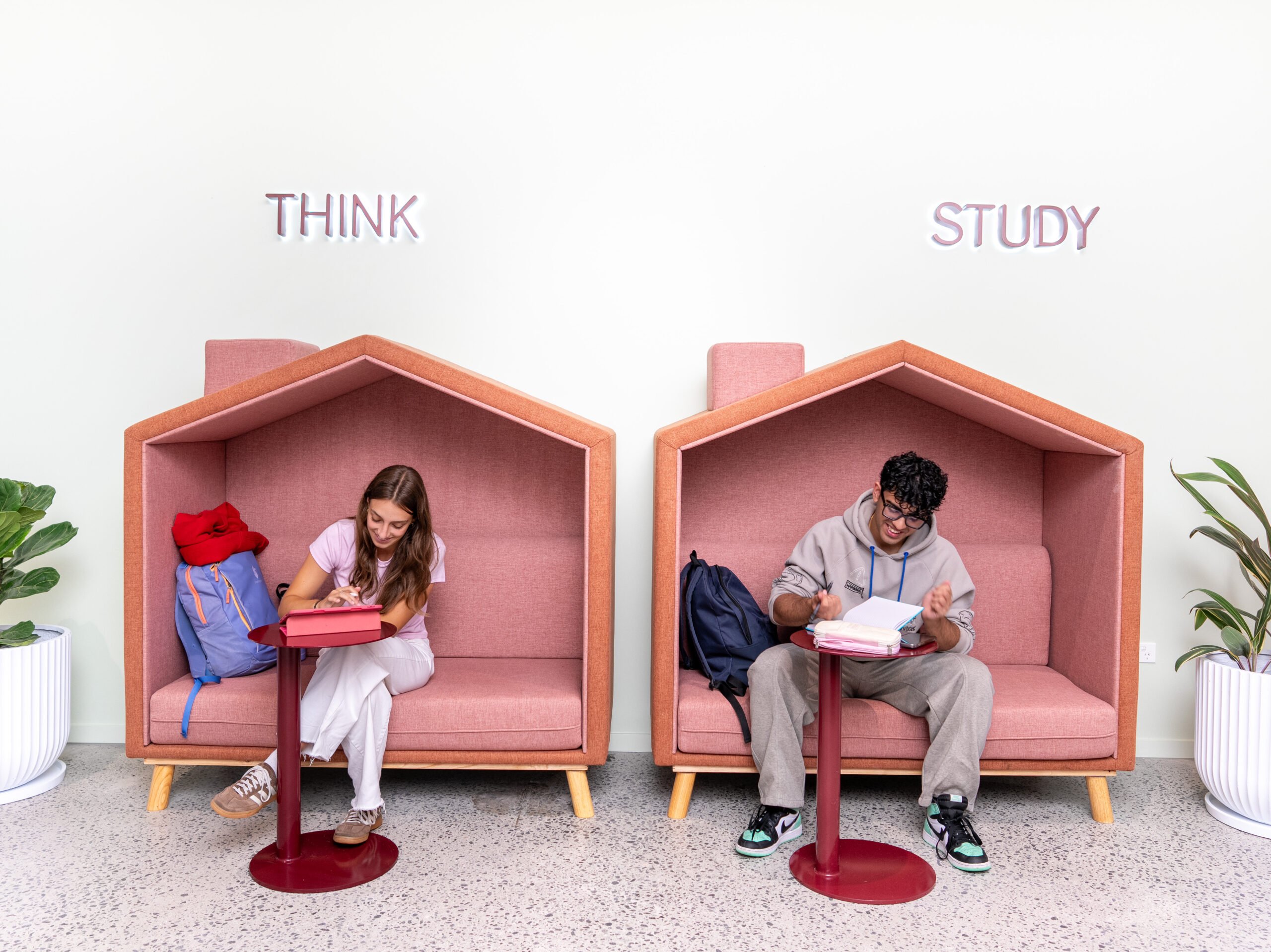
Living at Scape means you don’t have to study where you sleep. Scape’s dedicated quiet areas and study rooms allow you to leave distractions behind, making it way easier to lock in and focus.
At the end of the day, there’s no perfect playlist or one-size-fits-all routine. Some people need music. Some need silence. Most people sit somewhere in between.
The key is figuring out your version of focus.
Because studying isn’t just about pushing through. It’s about setting yourself up so getting started and staying on track feels a whole lot easier.